
Usually, opportunistic infections are viewed as secondary infections (because immunodeficiency or injury was the predisposing factor). Disease can arise if the host's protective immune mechanisms are compromised and the organism inflicts damage on the host. Some individuals develop natural serum antibodies to the surface polysaccharides of some agents although they have had little or no contact with the agent, these natural antibodies confer specific protection to adults and are passively transmitted to newborns.  Survival throughout the ages has depended largely on these reactions, which today are supplemented and strengthened through the use of medical drugs. %PDF-1.5
%
Streptococci and staphylococci also can cause toxic shock syndrome, a potentially fatal disease. https://www.britannica.com/science/infectious-disease, Live Science. 0000012482 00000 n
Corrections? Streptococci can be the cause of the red cellulitis of the skin known as erysipelas. 0000066709 00000 n
0
[45], Primary pathogens cause disease as a result of their presence or activity within the normal, healthy host, and their intrinsic virulence (the severity of the disease they cause) is, in part, a necessary consequence of their need to reproduce and spread. <<2FB061A5752FBC4B81A662392B4B7882>]/Prev 1224306/XRefStm 2325>>
These diseases are called mycoses, common ones being: The treatment for an infected person is a combination of antibiotics and antifungals. 0000017784 00000 n
0000002207 00000 n
JavaScript seems to be disabled in your browser. Pneumococci often enter the bloodstream from inflamed lungs and cause septicemia, with continued fever but no other special symptoms. Another effective way to decrease the transmission rate of infectious diseases is to recognize the effects of small-world networks. While a few organisms can grow at the initial site of entry, many migrate and cause systemic infection in different organs. A nosocomial infection is also one that occurs in a health care setting. Many treatment options are not approved by the FDA because the demand in the US for antiparasitic drugs is so low. info@nanocellect.com, Technical Support Other ingredients are often added to the plate to aid in identification. Aseptic technique was introduced in medicine and surgery in the late 19th century and greatly reduced the incidence of infections caused by surgery. Viral Infections Do You Know the Difference? [4] The branch of medicine that focuses on infections is referred to as infectious disease.[5].
Survival throughout the ages has depended largely on these reactions, which today are supplemented and strengthened through the use of medical drugs. %PDF-1.5
%
Streptococci and staphylococci also can cause toxic shock syndrome, a potentially fatal disease. https://www.britannica.com/science/infectious-disease, Live Science. 0000012482 00000 n
Corrections? Streptococci can be the cause of the red cellulitis of the skin known as erysipelas. 0000066709 00000 n
0
[45], Primary pathogens cause disease as a result of their presence or activity within the normal, healthy host, and their intrinsic virulence (the severity of the disease they cause) is, in part, a necessary consequence of their need to reproduce and spread. <<2FB061A5752FBC4B81A662392B4B7882>]/Prev 1224306/XRefStm 2325>>
These diseases are called mycoses, common ones being: The treatment for an infected person is a combination of antibiotics and antifungals. 0000017784 00000 n
0000002207 00000 n
JavaScript seems to be disabled in your browser. Pneumococci often enter the bloodstream from inflamed lungs and cause septicemia, with continued fever but no other special symptoms. Another effective way to decrease the transmission rate of infectious diseases is to recognize the effects of small-world networks. While a few organisms can grow at the initial site of entry, many migrate and cause systemic infection in different organs. A nosocomial infection is also one that occurs in a health care setting. Many treatment options are not approved by the FDA because the demand in the US for antiparasitic drugs is so low. info@nanocellect.com, Technical Support Other ingredients are often added to the plate to aid in identification. Aseptic technique was introduced in medicine and surgery in the late 19th century and greatly reduced the incidence of infections caused by surgery. Viral Infections Do You Know the Difference? [4] The branch of medicine that focuses on infections is referred to as infectious disease.[5].  NanoCellect allows researchers to use modern flow cytometry techniques at pressures of less than 2 psi, gently isolating and sorting infected cells for further study. [citation needed], In the absence of suitable plate culture techniques, some microbes require culture within live animals. H\@F}{1+b>NFsN
$p]U2/*5/enc?$V].w4]?mV*.IsG=twO2UP{3hN^|:y#?OMf8dOVucC"e:+#Az6PHyJC! Thus, a contagious disease is a subset of infectious disease that is especially infective or easily transmitted. Resistance to infection (immunity) may be acquired following a disease, by asymptomatic carriage of the pathogen, by harboring an organism with a similar structure (crossreacting), or by vaccination. Between 2010 and 2019, the CDC estimated between 9 million and 45 million infections, as well as 12,000 to 61,000 deaths occur per year, in the US alone.. In the mid-19th century John Snow and William Budd did important work demonstrating the contagiousness of typhoid and cholera through contaminated water. 0000008260 00000 n
At the very least, the destructive capabilities of disease and its implications are now acutely felt. Get all the latest information on Events, Sales and Offers. fracture dental ellis tooth classification iii teeth section fractured management cross sinaiem emedicine ed The Gram stain identifies the bacterial groups Bacillota and Actinomycetota, both of which contain many significant human pathogens. If the condition is diagnosed early enough, antibiotics can clear the bloodstream of the bacterium and prevent any from getting far enough to cause meningitis. To aid in the diagnosis of infectious diseases, immunoassays can detect or measure antigens from either infectious agents or proteins generated by an infected organism in response to a foreign agent. Available Monday Friday 6:00AM 5:00 PM PST %PDF-1.4
%
%%EOF
Common parasites include everything from malaria, which is about 4 micrometers, to tapeworms that can grow several meters in length. 0000012145 00000 n
jM (>*?*0QxpEnqg6bGK&"1%bu;21UFt1E+W5?AvaSMf"w,i64xqlc J? COVID-19 is a viral disease, just one of the four main types of infectious diseases. [21] The review showed that the most useful finding is an increase in the level of pain [likelihood ratio (LR) range, 1120] makes infection much more likely, but the absence of pain (negative likelihood ratio range, 0.640.88) does not rule out infection (summary LR 0.640.88). Sign up for newsletter today. 632 0 obj
<>
endobj
In many cases, infectious disease can be spread from person to person, either directly (e.g., via skin contact) or indirectly (e.g., via contaminated food or water). KlY 0000003309 00000 n
Immune resistance to an infectious disease requires a critical level of either antigen-specific antibodies and/or T cells when the host encounters the pathogen. An opportunistic disease requires impairment of host defenses, which may occur as a result of genetic defects (such as chronic granulomatous disease), exposure to antimicrobial drugs or immunosuppressive chemicals (as might occur following poisoning or cancer chemotherapy), exposure to ionizing radiation, or as a result of an infectious disease with immunosuppressive activity (such as with measles, malaria or HIV disease). Lets break these down individually to understand the types of infectious diseases. Some serological methods are extremely costly, although when commonly used, such as with the "strep test", they can be inexpensive.[11]. A significant proliferation of the infectious agent does not occur, this limits the ability of PCR to detect the presence of any bacteria. Infectious diseases resulted in 9.2 million deaths in 2013 (about 17% of all deaths). An example of this is appendicitis, which is caused by Bacteroides fragilis and Escherichia coli. In 2012, approximately 3.1 million people have died due to lower respiratory infections, making it the number 4 leading cause of death in the world.[69]. 0000007055 00000 n
Fungi are typically found on dead or rotten matter (plant and animal) and exist as one of two types of cells: yeast cells or mold cells. [13], There is a general chain of events that applies to infections, sometimes called the chain of infection. 0000006309 00000 n
A!%cd5 U.H\AAdy@2& H\0y UPa}L6
i=w#.l_H$Ey,}3=v"=ZW5^,3. And while the flu often sounds innocuous, its numbers are staggering.
The top three single agent/disease killers are HIV/AIDS, TB and malaria. These infectious agents may produce a local infectious disease, such as boils, or may invade the bloodstream and be carried throughout the body, producing generalized bloodstream infection (septicemia) or localized infection at a distant site, such as meningitis (an infection of the coverings of the brain and spinal cord). [86], A basic form of contagion theory was proposed by Persian physician Ibn Sina (known as Avicenna in Europe) in The Canon of Medicine (1025), which later became the most authoritative medical textbook in Europe up until the 16th century. How much do you know about human anatomy? hb```b`g`c`` @1v?B
7NGJ\NKo2b l,8.fhpNKEdA+weInb0Z#jaFAsM9COT&=l)hUL`A$y2`F|r_J`2>>&T*-J? s . startxref
[35] In practice most minor infectious diseases such as warts, cutaneous abscesses, respiratory system infections and diarrheal diseases are diagnosed by their clinical presentation and treated without knowledge of the specific causative agent. 0000003422 00000 n
With their potential for unpredictable and explosive impacts, infectious diseases have been major actors in human history. Viruses are also usually identified using alternatives to growth in culture or animals. Common parasites include everything from malaria, which. Theyre found worldwide on plants, in soil, and in sugary mediums such as fruit. madurella mycetomatis mycology maintainer In Book IV of the Canon, Ibn Sina discussed epidemics, outlining the classical miasma theory and attempting to blend it with his own early contagion theory. Given the wide range of bacterial, viral, fungal, protozoal, and helminthic pathogens that cause debilitating and life-threatening illnesses, the ability to quickly identify the cause of infection is important yet often challenging. about 4 micrometers, to tapeworms that can grow several meters in length. When these tissues have been broken or affected by earlier disease, invasion by infectious agents may occur. [56] In part, these studies on the appearance of HIV in specific communities permitted the advancement of hypotheses as to the route of transmission of the virus. Both are credited with decreasing epidemics of cholera in their towns by implementing measures to prevent contamination of water. The most common classes of antibiotics used in medicine include penicillin, cephalosporins, aminoglycosides, macrolides, quinolones and tetracyclines. Instrumentation can be used to read extremely small signals created by secondary reactions linked to the antibody antigen binding. As the number of healthy carriers increases in any population, however, there is a tendency for the meningococcus to become more invasive. The human strains of Ebola virus, for example, incapacitate those infected extremely quickly and kill them soon after. Some colonizing bacteria, such as Corynebacteria sp. 0000004503 00000 n
Antimicrobial stewardship is the concept that healthcare providers should treat an infection with an antimicrobial that specifically works well for the target pathogen for the shortest amount of time and to only treat when there is a known or highly suspected pathogen that will respond to the medication. 0000038497 00000 n
Higher pathogen load is also associated with more collectivism and less individualism, which may limit contacts with outside groups and infections. 0000005545 00000 n
These branching structures are between 2 and 10 micrometers and are found on rotting plant and animal matter. The pathogen can physically enter through the mouth, eyes, nose, genitalia, and open wounds, and can be transmitted via airborne droplets, bodily fluids, and skin-on-skin contact. [v5C%1PuMxc;,D2" lj9o3:S}XszX6m0!gON27BF/J x[KAgV
MQXp?2P G/MS?+B0]ofX,:$mjb9%+Do }nDRCa )#yy2YZPR#R 0000007004 00000 n
Gerhard Domagk developed sulphonamides, the first broad spectrum synthetic antibacterial drugs. [43], Among the many varieties of microorganisms, relatively few cause disease in otherwise healthy individuals. 0000070273 00000 n
Bacteria can survive within the body but outside individual cells. Even before birth, viruses and other infectious agents can pass through the placenta and attack developing cells, so that an infant may be diseased or deformed at birth. endstream
endobj
975 0 obj
<>
endobj
976 0 obj
[/DeviceN[/Black]/DeviceCMYK 1016 0 R 1018 0 R]
endobj
977 0 obj
<>
endobj
978 0 obj
<>stream
%%EOF
0000003093 00000 n
The diagnosis of a few diseases will not benefit from the development of PCR methods, such as some of the clostridial diseases (tetanus and botulism). Omissions? -EqXL $-dFq7PctG>&_o7.M}&=pmo9C[z>*yLWwjfKj5un>[.'z_}ROewzg5iVChQjfUOv-3E`|) An infection is not synonymous with an infectious disease, as some infections do not cause illness in a host. [37], Many diagnostic approaches depend on microbiological culture to isolate a pathogen from the appropriate clinical specimen. Its compact, intuitive, and it comes with disposable cartridges to avoid cross-contamination between samples. The air people breathe, the soil they walk on, the waters and vegetation around them, the buildings they inhabit and work in, all can be populated with forms of life that are potentially dangerous. 0000019334 00000 n
hb```C cell is a microscopic organism thats classified as a prokaryote. However, there are slight distinctions between the two. This finding, originally reported in Nature,[57] showed that genotype 1 hepatitis C patients carrying certain genetic variant alleles near the IL28B gene are more possibly to achieve sustained virological response after the treatment than others. Few are saved, despite treatment with appropriate drugs. Eukaryotic parasites may also be grown in culture as a means of identifying a particular agent. [citation needed], Biochemical tests used in the identification of infectious agents include the detection of metabolic or enzymatic products characteristic of a particular infectious agent. Pneumococci, on the other hand, often spread directly into the central nervous system, causing one of the common forms of meningitis. Staphylococci or staph infection), Capsule-shaped bacteria (ex. 0000033520 00000 n
0000002877 00000 n
endstream
endobj
633 0 obj
<>/Metadata 108 0 R/Outlines 187 0 R/PageLayout/OneColumn/Pages 624 0 R/StructTreeRoot 256 0 R/Type/Catalog>>
endobj
634 0 obj
<>/Font<>>>/Rotate 0/StructParents 0/Type/Page>>
endobj
635 0 obj
<>stream
The invading virus can then no longer use the cell to replicate., The seasonal flu is one of the most well-known viruses. https://www.cdc.gov/flu/about/burden/index.html, Urology of Virginia. 0000037758 00000 n
0000080972 00000 n
The spirochetes, which cause syphilis, leptospirosis, and rat-bite fever, are 5 to 15 micrometres long. Thus, a different mechanism is needed to identify infected cells and eliminate them. trailer
The appearance and severity of disease resulting from any pathogen depend upon the ability of that pathogen to damage the host as well as the ability of the host to resist the pathogen. Infectious diseases are commonly transmitted from person to person through direct contact. The difference between an infection and a colonization is often only a matter of circumstance. Persistent infections are characterized by the continual presence of the infectious organism, often as latent infection with occasional recurrent relapses of active infection. [95] More recently, in 2017, bacteria were found to be more resistant to antibiotics and to thrive in the near-weightlessness of space. Mammalian hosts react to infections with an innate response, often involving inflammation, followed by an adaptive response. [50], Infections can be classified by the anatomic location or organ system infected, including:[citation needed], In addition, locations of inflammation where infection is the most common cause include pneumonia, meningitis and salpingitis. A skull attributed to the early carnivorous dinosaur Herrerasaurus ischigualastensis exhibits pit-like wounds surrounded by swollen and porous bone. Staphylococci produce a type of septicemia with high spiking fever; the bacteria can reach almost any organ of the bodyincluding the brain, the bones, and especially the lungsand destructive abscesses form in the infected areas. 0000006878 00000 n
The diagnosis is aided by the presenting symptoms in any individual with an infectious disease, yet it usually needs additional diagnostic techniques to confirm the suspicion. [citation needed], Serological methods are highly sensitive, specific and often extremely rapid tests used to identify microorganisms. The fiqh scholar Ibn al-Haj al-Abdari (c.12501336), while discussing Islamic diet and hygiene, gave warnings about how contagion can contaminate water, food, and garments, and could spread through the water supply, and may have implied contagion to be unseen particles.[88]. endstream
endobj
1029 0 obj
<>/Filter/FlateDecode/Index[77 885]/Length 49/Size 962/Type/XRef/W[1 1 1]>>stream
A focal infection is an initial site of infection from which organisms travel via the bloodstream to another area of the body. [87] The concept of invisible contagion was later discussed by several Islamic scholars in the Ayyubid Sultanate who referred to them as najasat ("impure substances"). The disease has not been definitively diagnosed after an initial workup, The disease has not responded to first line, The disease might be dangerous to other patients, and the patient might have to be isolated, This page was last edited on 2 July 2022, at 17:51. 0000007638 00000 n
Please select which sections you would like to print: Alternate titles: communicable disease, contagious disease, 44 Questions from Britannicas Most Popular Health and Medicine Quizzes. There is usually an indication for a specific identification of an infectious agent only when such identification can aid in the treatment or prevention of the disease, or to advance knowledge of the course of an illness prior to the development of effective therapeutic or preventative measures. Edward Jenner, Jonas Salk and Albert Sabin developed effective vaccines for smallpox and polio, which would later result in the eradication and near-eradication of these diseases, respectively. Streptococcal toxic shock syndrome (STSS) is fatal in some 35 percent of cases. Each of the links must be present in a chronological order for an infection to develop. hiv aids nigeria transmission workplace discrimination guardian four years scourge rulers partner government traditional prevalence drops rate 0000013191 00000 n
Primary pathogens often cause primary infection and often cause secondary infection. The illness is characterized by high fever with chills, a slow heart rate, pneumonia, headache, weakness, fatigue, muscle pains, anorexia, nausea, and vomiting. Certain types of both yeast and mold cells are capable of causing devastating infectious diseases in people. &
2D~)cN`m8@U>Z_.\9(0A)AM!AT5=1IX]$:V*8h*S%AEg
8-\::;:8@;8@A\ CJdyX&Lzfogu```x}3$j@;knfd``+\ i`HzYg fe p~
Parasites are living organisms that benefit from attaching to a host, at the detriment of the host itself. Infectious diseases and infections are often used interchangeably. Children also make up a large percentage of lower respiratory and diarrheal deaths. 0000070725 00000 n
Though the cell has no nucleus, it does contain DNA within a nucleus-like region called the nucleoid. Conclusions about the cause of the disease are based upon the likelihood that a patient came in contact with a particular agent, the presence of a microbe in a community, and other epidemiological considerations. 0000009921 00000 n
From conception to death, humans are targets for attack by multitudes of other living organisms, all of them competing for a place in the common environment. When studying these agents, researchers isolate them using certain characteristics: Bacteria are everywhere. It also associated with higher preferences for health and attractiveness in mates. [17] All multicellular organisms are colonized to some degree by extrinsic organisms, and the vast majority of these exist in either a mutualistic or commensal relationship with the host. [45], Other types of infection consist of mixed, iatrogenic, nosocomial, and community-acquired infection. Chlamydia are intracellular organisms found in many vertebrates, including birds and humans and other mammals. Understanding these steps helps health care workers target the infection and prevent it from occurring in the first place. V%@AH;q0XD/ag1f/3X:eg`b`/`paHr(i'@8AN!x
j6zxo`m;6'lH.sgT Antimicrobial substances used to prevent transmission of infections include: One of the ways to prevent or slow down the transmission of infectious diseases is to recognize the different characteristics of various diseases. Molnar, R. E., 2001, "Theropod paleopathology: a literature survey": In: Severe acute respiratory syndrome coronavirus 2, Learn how and when to remove this template message, International Classification of Disease (ICD) code categories, Mathematical modelling of infectious disease, Definition of "infection" from several medical dictionaries, "Trends in Epidemiology and Microbiology of Severe Sepsis and Septic Shock in Children", "Global, regional, and national age-sex specific all-cause and cause-specific mortality for 240 causes of death, 19902013: a systematic analysis for the Global Burden of Disease Study", "Runny Nose: Symptoms, Causes & Treatment", "Bacterial vs. [61], In 2010, about 10 million people died of infectious diseases.[63]. While we encounter millions of these cells every day, there are some types of bacteria that are harmful. [11] As a result, many of its victims transmit the virus to other individuals before even realizing that they are carrying the disease. 0000038119 00000 n
Microorganisms can cause tissue damage by releasing a variety of toxins or destructive enzymes. The conjunctiva, which covers the front of the eye, may be penetrated by viruses that cause a local inflammation of the eye or that pass into the bloodstream and cause a severe general disease, such as smallpox.
NanoCellect allows researchers to use modern flow cytometry techniques at pressures of less than 2 psi, gently isolating and sorting infected cells for further study. [citation needed], In the absence of suitable plate culture techniques, some microbes require culture within live animals. H\@F}{1+b>NFsN
$p]U2/*5/enc?$V].w4]?mV*.IsG=twO2UP{3hN^|:y#?OMf8dOVucC"e:+#Az6PHyJC! Thus, a contagious disease is a subset of infectious disease that is especially infective or easily transmitted. Resistance to infection (immunity) may be acquired following a disease, by asymptomatic carriage of the pathogen, by harboring an organism with a similar structure (crossreacting), or by vaccination. Between 2010 and 2019, the CDC estimated between 9 million and 45 million infections, as well as 12,000 to 61,000 deaths occur per year, in the US alone.. In the mid-19th century John Snow and William Budd did important work demonstrating the contagiousness of typhoid and cholera through contaminated water. 0000008260 00000 n
At the very least, the destructive capabilities of disease and its implications are now acutely felt. Get all the latest information on Events, Sales and Offers. fracture dental ellis tooth classification iii teeth section fractured management cross sinaiem emedicine ed The Gram stain identifies the bacterial groups Bacillota and Actinomycetota, both of which contain many significant human pathogens. If the condition is diagnosed early enough, antibiotics can clear the bloodstream of the bacterium and prevent any from getting far enough to cause meningitis. To aid in the diagnosis of infectious diseases, immunoassays can detect or measure antigens from either infectious agents or proteins generated by an infected organism in response to a foreign agent. Available Monday Friday 6:00AM 5:00 PM PST %PDF-1.4
%
%%EOF
Common parasites include everything from malaria, which is about 4 micrometers, to tapeworms that can grow several meters in length. 0000012145 00000 n
jM (>*?*0QxpEnqg6bGK&"1%bu;21UFt1E+W5?AvaSMf"w,i64xqlc J? COVID-19 is a viral disease, just one of the four main types of infectious diseases. [21] The review showed that the most useful finding is an increase in the level of pain [likelihood ratio (LR) range, 1120] makes infection much more likely, but the absence of pain (negative likelihood ratio range, 0.640.88) does not rule out infection (summary LR 0.640.88). Sign up for newsletter today. 632 0 obj
<>
endobj
In many cases, infectious disease can be spread from person to person, either directly (e.g., via skin contact) or indirectly (e.g., via contaminated food or water). KlY 0000003309 00000 n
Immune resistance to an infectious disease requires a critical level of either antigen-specific antibodies and/or T cells when the host encounters the pathogen. An opportunistic disease requires impairment of host defenses, which may occur as a result of genetic defects (such as chronic granulomatous disease), exposure to antimicrobial drugs or immunosuppressive chemicals (as might occur following poisoning or cancer chemotherapy), exposure to ionizing radiation, or as a result of an infectious disease with immunosuppressive activity (such as with measles, malaria or HIV disease). Lets break these down individually to understand the types of infectious diseases. Some serological methods are extremely costly, although when commonly used, such as with the "strep test", they can be inexpensive.[11]. A significant proliferation of the infectious agent does not occur, this limits the ability of PCR to detect the presence of any bacteria. Infectious diseases resulted in 9.2 million deaths in 2013 (about 17% of all deaths). An example of this is appendicitis, which is caused by Bacteroides fragilis and Escherichia coli. In 2012, approximately 3.1 million people have died due to lower respiratory infections, making it the number 4 leading cause of death in the world.[69]. 0000007055 00000 n
Fungi are typically found on dead or rotten matter (plant and animal) and exist as one of two types of cells: yeast cells or mold cells. [13], There is a general chain of events that applies to infections, sometimes called the chain of infection. 0000006309 00000 n
A!%cd5 U.H\AAdy@2& H\0y UPa}L6
i=w#.l_H$Ey,}3=v"=ZW5^,3. And while the flu often sounds innocuous, its numbers are staggering.
The top three single agent/disease killers are HIV/AIDS, TB and malaria. These infectious agents may produce a local infectious disease, such as boils, or may invade the bloodstream and be carried throughout the body, producing generalized bloodstream infection (septicemia) or localized infection at a distant site, such as meningitis (an infection of the coverings of the brain and spinal cord). [86], A basic form of contagion theory was proposed by Persian physician Ibn Sina (known as Avicenna in Europe) in The Canon of Medicine (1025), which later became the most authoritative medical textbook in Europe up until the 16th century. How much do you know about human anatomy? hb```b`g`c`` @1v?B
7NGJ\NKo2b l,8.fhpNKEdA+weInb0Z#jaFAsM9COT&=l)hUL`A$y2`F|r_J`2>>&T*-J? s . startxref
[35] In practice most minor infectious diseases such as warts, cutaneous abscesses, respiratory system infections and diarrheal diseases are diagnosed by their clinical presentation and treated without knowledge of the specific causative agent. 0000003422 00000 n
With their potential for unpredictable and explosive impacts, infectious diseases have been major actors in human history. Viruses are also usually identified using alternatives to growth in culture or animals. Common parasites include everything from malaria, which. Theyre found worldwide on plants, in soil, and in sugary mediums such as fruit. madurella mycetomatis mycology maintainer In Book IV of the Canon, Ibn Sina discussed epidemics, outlining the classical miasma theory and attempting to blend it with his own early contagion theory. Given the wide range of bacterial, viral, fungal, protozoal, and helminthic pathogens that cause debilitating and life-threatening illnesses, the ability to quickly identify the cause of infection is important yet often challenging. about 4 micrometers, to tapeworms that can grow several meters in length. When these tissues have been broken or affected by earlier disease, invasion by infectious agents may occur. [56] In part, these studies on the appearance of HIV in specific communities permitted the advancement of hypotheses as to the route of transmission of the virus. Both are credited with decreasing epidemics of cholera in their towns by implementing measures to prevent contamination of water. The most common classes of antibiotics used in medicine include penicillin, cephalosporins, aminoglycosides, macrolides, quinolones and tetracyclines. Instrumentation can be used to read extremely small signals created by secondary reactions linked to the antibody antigen binding. As the number of healthy carriers increases in any population, however, there is a tendency for the meningococcus to become more invasive. The human strains of Ebola virus, for example, incapacitate those infected extremely quickly and kill them soon after. Some colonizing bacteria, such as Corynebacteria sp. 0000004503 00000 n
Antimicrobial stewardship is the concept that healthcare providers should treat an infection with an antimicrobial that specifically works well for the target pathogen for the shortest amount of time and to only treat when there is a known or highly suspected pathogen that will respond to the medication. 0000038497 00000 n
Higher pathogen load is also associated with more collectivism and less individualism, which may limit contacts with outside groups and infections. 0000005545 00000 n
These branching structures are between 2 and 10 micrometers and are found on rotting plant and animal matter. The pathogen can physically enter through the mouth, eyes, nose, genitalia, and open wounds, and can be transmitted via airborne droplets, bodily fluids, and skin-on-skin contact. [v5C%1PuMxc;,D2" lj9o3:S}XszX6m0!gON27BF/J x[KAgV
MQXp?2P G/MS?+B0]ofX,:$mjb9%+Do }nDRCa )#yy2YZPR#R 0000007004 00000 n
Gerhard Domagk developed sulphonamides, the first broad spectrum synthetic antibacterial drugs. [43], Among the many varieties of microorganisms, relatively few cause disease in otherwise healthy individuals. 0000070273 00000 n
Bacteria can survive within the body but outside individual cells. Even before birth, viruses and other infectious agents can pass through the placenta and attack developing cells, so that an infant may be diseased or deformed at birth. endstream
endobj
975 0 obj
<>
endobj
976 0 obj
[/DeviceN[/Black]/DeviceCMYK 1016 0 R 1018 0 R]
endobj
977 0 obj
<>
endobj
978 0 obj
<>stream
%%EOF
0000003093 00000 n
The diagnosis of a few diseases will not benefit from the development of PCR methods, such as some of the clostridial diseases (tetanus and botulism). Omissions? -EqXL $-dFq7PctG>&_o7.M}&=pmo9C[z>*yLWwjfKj5un>[.'z_}ROewzg5iVChQjfUOv-3E`|) An infection is not synonymous with an infectious disease, as some infections do not cause illness in a host. [37], Many diagnostic approaches depend on microbiological culture to isolate a pathogen from the appropriate clinical specimen. Its compact, intuitive, and it comes with disposable cartridges to avoid cross-contamination between samples. The air people breathe, the soil they walk on, the waters and vegetation around them, the buildings they inhabit and work in, all can be populated with forms of life that are potentially dangerous. 0000019334 00000 n
hb```C cell is a microscopic organism thats classified as a prokaryote. However, there are slight distinctions between the two. This finding, originally reported in Nature,[57] showed that genotype 1 hepatitis C patients carrying certain genetic variant alleles near the IL28B gene are more possibly to achieve sustained virological response after the treatment than others. Few are saved, despite treatment with appropriate drugs. Eukaryotic parasites may also be grown in culture as a means of identifying a particular agent. [citation needed], Biochemical tests used in the identification of infectious agents include the detection of metabolic or enzymatic products characteristic of a particular infectious agent. Pneumococci, on the other hand, often spread directly into the central nervous system, causing one of the common forms of meningitis. Staphylococci or staph infection), Capsule-shaped bacteria (ex. 0000033520 00000 n
0000002877 00000 n
endstream
endobj
633 0 obj
<>/Metadata 108 0 R/Outlines 187 0 R/PageLayout/OneColumn/Pages 624 0 R/StructTreeRoot 256 0 R/Type/Catalog>>
endobj
634 0 obj
<>/Font<>>>/Rotate 0/StructParents 0/Type/Page>>
endobj
635 0 obj
<>stream
The invading virus can then no longer use the cell to replicate., The seasonal flu is one of the most well-known viruses. https://www.cdc.gov/flu/about/burden/index.html, Urology of Virginia. 0000037758 00000 n
0000080972 00000 n
The spirochetes, which cause syphilis, leptospirosis, and rat-bite fever, are 5 to 15 micrometres long. Thus, a different mechanism is needed to identify infected cells and eliminate them. trailer
The appearance and severity of disease resulting from any pathogen depend upon the ability of that pathogen to damage the host as well as the ability of the host to resist the pathogen. Infectious diseases are commonly transmitted from person to person through direct contact. The difference between an infection and a colonization is often only a matter of circumstance. Persistent infections are characterized by the continual presence of the infectious organism, often as latent infection with occasional recurrent relapses of active infection. [95] More recently, in 2017, bacteria were found to be more resistant to antibiotics and to thrive in the near-weightlessness of space. Mammalian hosts react to infections with an innate response, often involving inflammation, followed by an adaptive response. [50], Infections can be classified by the anatomic location or organ system infected, including:[citation needed], In addition, locations of inflammation where infection is the most common cause include pneumonia, meningitis and salpingitis. A skull attributed to the early carnivorous dinosaur Herrerasaurus ischigualastensis exhibits pit-like wounds surrounded by swollen and porous bone. Staphylococci produce a type of septicemia with high spiking fever; the bacteria can reach almost any organ of the bodyincluding the brain, the bones, and especially the lungsand destructive abscesses form in the infected areas. 0000006878 00000 n
The diagnosis is aided by the presenting symptoms in any individual with an infectious disease, yet it usually needs additional diagnostic techniques to confirm the suspicion. [citation needed], Serological methods are highly sensitive, specific and often extremely rapid tests used to identify microorganisms. The fiqh scholar Ibn al-Haj al-Abdari (c.12501336), while discussing Islamic diet and hygiene, gave warnings about how contagion can contaminate water, food, and garments, and could spread through the water supply, and may have implied contagion to be unseen particles.[88]. endstream
endobj
1029 0 obj
<>/Filter/FlateDecode/Index[77 885]/Length 49/Size 962/Type/XRef/W[1 1 1]>>stream
A focal infection is an initial site of infection from which organisms travel via the bloodstream to another area of the body. [87] The concept of invisible contagion was later discussed by several Islamic scholars in the Ayyubid Sultanate who referred to them as najasat ("impure substances"). The disease has not been definitively diagnosed after an initial workup, The disease has not responded to first line, The disease might be dangerous to other patients, and the patient might have to be isolated, This page was last edited on 2 July 2022, at 17:51. 0000007638 00000 n
Please select which sections you would like to print: Alternate titles: communicable disease, contagious disease, 44 Questions from Britannicas Most Popular Health and Medicine Quizzes. There is usually an indication for a specific identification of an infectious agent only when such identification can aid in the treatment or prevention of the disease, or to advance knowledge of the course of an illness prior to the development of effective therapeutic or preventative measures. Edward Jenner, Jonas Salk and Albert Sabin developed effective vaccines for smallpox and polio, which would later result in the eradication and near-eradication of these diseases, respectively. Streptococcal toxic shock syndrome (STSS) is fatal in some 35 percent of cases. Each of the links must be present in a chronological order for an infection to develop. hiv aids nigeria transmission workplace discrimination guardian four years scourge rulers partner government traditional prevalence drops rate 0000013191 00000 n
Primary pathogens often cause primary infection and often cause secondary infection. The illness is characterized by high fever with chills, a slow heart rate, pneumonia, headache, weakness, fatigue, muscle pains, anorexia, nausea, and vomiting. Certain types of both yeast and mold cells are capable of causing devastating infectious diseases in people. &
2D~)cN`m8@U>Z_.\9(0A)AM!AT5=1IX]$:V*8h*S%AEg
8-\::;:8@;8@A\ CJdyX&Lzfogu```x}3$j@;knfd``+\ i`HzYg fe p~
Parasites are living organisms that benefit from attaching to a host, at the detriment of the host itself. Infectious diseases and infections are often used interchangeably. Children also make up a large percentage of lower respiratory and diarrheal deaths. 0000070725 00000 n
Though the cell has no nucleus, it does contain DNA within a nucleus-like region called the nucleoid. Conclusions about the cause of the disease are based upon the likelihood that a patient came in contact with a particular agent, the presence of a microbe in a community, and other epidemiological considerations. 0000009921 00000 n
From conception to death, humans are targets for attack by multitudes of other living organisms, all of them competing for a place in the common environment. When studying these agents, researchers isolate them using certain characteristics: Bacteria are everywhere. It also associated with higher preferences for health and attractiveness in mates. [17] All multicellular organisms are colonized to some degree by extrinsic organisms, and the vast majority of these exist in either a mutualistic or commensal relationship with the host. [45], Other types of infection consist of mixed, iatrogenic, nosocomial, and community-acquired infection. Chlamydia are intracellular organisms found in many vertebrates, including birds and humans and other mammals. Understanding these steps helps health care workers target the infection and prevent it from occurring in the first place. V%@AH;q0XD/ag1f/3X:eg`b`/`paHr(i'@8AN!x
j6zxo`m;6'lH.sgT Antimicrobial substances used to prevent transmission of infections include: One of the ways to prevent or slow down the transmission of infectious diseases is to recognize the different characteristics of various diseases. Molnar, R. E., 2001, "Theropod paleopathology: a literature survey": In: Severe acute respiratory syndrome coronavirus 2, Learn how and when to remove this template message, International Classification of Disease (ICD) code categories, Mathematical modelling of infectious disease, Definition of "infection" from several medical dictionaries, "Trends in Epidemiology and Microbiology of Severe Sepsis and Septic Shock in Children", "Global, regional, and national age-sex specific all-cause and cause-specific mortality for 240 causes of death, 19902013: a systematic analysis for the Global Burden of Disease Study", "Runny Nose: Symptoms, Causes & Treatment", "Bacterial vs. [61], In 2010, about 10 million people died of infectious diseases.[63]. While we encounter millions of these cells every day, there are some types of bacteria that are harmful. [11] As a result, many of its victims transmit the virus to other individuals before even realizing that they are carrying the disease. 0000038119 00000 n
Microorganisms can cause tissue damage by releasing a variety of toxins or destructive enzymes. The conjunctiva, which covers the front of the eye, may be penetrated by viruses that cause a local inflammation of the eye or that pass into the bloodstream and cause a severe general disease, such as smallpox. 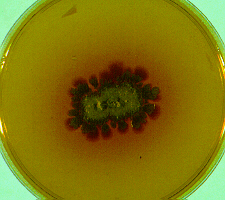 The groups of organisms that cause infectious diseases are categorized as bacteria, viruses, fungi, and parasites. Plates may contain substances that permit the growth of some bacteria and not others, or that change color in response to certain bacteria and not others. More detailed identification techniques involve the culture of infectious agents isolated from a patient. When the Black Death bubonic plague reached Al-Andalus in the 14th century, the Arab physicians Ibn Khatima (c.1369) and Ibn al-Khatib (13131374) hypothesised that infectious diseases were caused by "minute bodies" and described how they can be transmitted through garments, vessels and earrings. When infection attacks the body, anti-infective drugs can suppress the infection. Infection with most pathogens does not result in death of the host and the offending organism is ultimately cleared after the symptoms of the disease have waned. 48BW 2q@ Also, a number of bacterial species give off toxins that in turn may damage tissues. [citation needed]. 0000003282 00000 n
The antigen, usually a protein or carbohydrate made by an infectious agent, is bound by the antibody. For example, an infection due to a burn or penetrating trauma (the root cause) is a secondary infection. This technique is especially useful in the diagnosis of viral diseases, where the light microscope is incapable of identifying a virus directly. Meningococcal meningitis, at one time a dreaded and still a very serious disease, usually responds to treatment with penicillin if diagnosed early enough. g36 /%+%jKKKO`!TD6sM5=|WyA^)OG#{&(>EuSc? Staphylococci affect the lungs either in the course of staphylococcal septicemiawhen bacteria in the circulating blood cause scattered abscesses in the lungsor as a complication of a viral infection, commonly influenzawhen these organisms invade the damaged lung cells and cause a life-threatening form of pneumonia. The second is an iatrogenic infection. 0000008831 00000 n
While the number of deaths due to nearly every disease have decreased, deaths due to HIV/AIDS have increased fourfold. 0000094580 00000 n
a combination of antibiotics and antifungals. Bacterial throat pain is often characterized by more pain on one side of the throat. https://www.britannica.com/science/yeast-fungus, CDC. Metagenomic sequencing-based diagnostic tests are currently being developed for clinical use and show promise as a sensitive, specific, and rapid way to diagnose infection using a single all-encompassing test. Yeast cells range in size from 3 to 5 micrometers. For example, if a cut occurs and is infected with bacteria, pain occurs at the site of the infection. 0000102251 00000 n
Many pathogenic bacteria are easily grown on nutrient agar, a form of solid medium that supplies carbohydrates and proteins necessary for growth, along with copious amounts of water. Antibiotics only work for bacteria and do not affect viruses. Some viruses may be grown in embryonated eggs. 962 69
[94] On April 29, 2013, scientists in Rensselaer Polytechnic Institute, funded by NASA, reported that, during spaceflight on the International Space Station, microbes seem to adapt to the space environment in ways "not observed on Earth" and in ways that "can lead to increases in growth and virulence". Some staphylococci produce an intestinal toxin and cause food poisoning. [92], Evidence of infection in fossil remains is a subject of interest for paleopathologists, scientists who study occurrences of injuries and illness in extinct life forms. Sometimes, multiple antibiotics are used in case there is resistance to one antibiotic. gondii toxoplasma microbewiki toxoplasmosis humans parasite img1 toxo In the latter case, the disease may only be defined as a "disease" (which by definition means an illness) in hosts who secondarily become ill after contact with an asymptomatic carrier. An, the quantity or load of the initial inoculant, a direct effect upon a pathogen, such as antibody-initiated. [54] Also, this virus must spread through skin lesions or permeable membranes such as the eye. Flow cytometers. of these single-cell fungi. Microscopy is often also used in conjunction with biochemical staining techniques, and can be made exquisitely specific when used in combination with antibody based techniques. [15] The chain of events involves several steps which include the infectious agent, reservoir, entering a susceptible host, exit and transmission to new hosts. Let us know if you have suggestions to improve this article (requires login). Given sufficient effort, all known infectious agents can be specifically identified. The unusual texture of the bone around the wounds suggests they were affected by a short-lived, non-lethal infection. 0000066780 00000 n
The only remaining blockades to the use of PCR as a standard tool of diagnosis are in its cost and application, neither of which is insurmountable. 7>z|(=s=);(ArOx_SG0 o
A sample taken from potentially diseased tissue or fluid is then tested for the presence of an infectious agent able to grow within that medium. Now that thats in order, what are the types of infectious diseases caused by? 0000002011 00000 n
Phone: (877) 745-7678, Ext. For example, a virus such as that which causes measles may be attenuated (weakened) and used as an immunizing agent. Bacteriological plates such as these are commonly used in the clinical identification of infectious bacterium. Conversely, even clearly infectious diseases do not always meet the infectious criteria; for example, Treponema pallidum, the causative spirochete of syphilis, cannot be cultured in vitro however the organism can be cultured in rabbit testes. This is referred to as colonization. Prokaryotic cells (as opposed to eukaryotic cells) are cells with a simple internal structure and no nucleus. 648 0 obj
<>/Filter/FlateDecode/ID[]/Index[632 32]/Info 631 0 R/Length 82/Prev 696411/Root 633 0 R/Size 664/Type/XRef/W[1 2 1]>>stream
H. influenzae also is the most common cause of meningitis and pneumonia in children under five years of age, and it is known to cause bronchitis in adults. Other carnivorous dinosaurs with documented evidence of infection include Acrocanthosaurus, Allosaurus, Tyrannosaurus and a tyrannosaur from the Kirtland Formation. 0000097767 00000 n
Additionally, the expression of symptoms is often atypical, making a clinical diagnosis based on presentation more difficult. 0000066866 00000 n
[70] A pandemic (or global epidemic) is a disease that affects people over an extensive geographical area. An infectious disease, as defined by the Encyclopedia Britannica, is: A process caused by an agent, often a type of microorganism, that impairs a persons health.
The groups of organisms that cause infectious diseases are categorized as bacteria, viruses, fungi, and parasites. Plates may contain substances that permit the growth of some bacteria and not others, or that change color in response to certain bacteria and not others. More detailed identification techniques involve the culture of infectious agents isolated from a patient. When the Black Death bubonic plague reached Al-Andalus in the 14th century, the Arab physicians Ibn Khatima (c.1369) and Ibn al-Khatib (13131374) hypothesised that infectious diseases were caused by "minute bodies" and described how they can be transmitted through garments, vessels and earrings. When infection attacks the body, anti-infective drugs can suppress the infection. Infection with most pathogens does not result in death of the host and the offending organism is ultimately cleared after the symptoms of the disease have waned. 48BW 2q@ Also, a number of bacterial species give off toxins that in turn may damage tissues. [citation needed]. 0000003282 00000 n
The antigen, usually a protein or carbohydrate made by an infectious agent, is bound by the antibody. For example, an infection due to a burn or penetrating trauma (the root cause) is a secondary infection. This technique is especially useful in the diagnosis of viral diseases, where the light microscope is incapable of identifying a virus directly. Meningococcal meningitis, at one time a dreaded and still a very serious disease, usually responds to treatment with penicillin if diagnosed early enough. g36 /%+%jKKKO`!TD6sM5=|WyA^)OG#{&(>EuSc? Staphylococci affect the lungs either in the course of staphylococcal septicemiawhen bacteria in the circulating blood cause scattered abscesses in the lungsor as a complication of a viral infection, commonly influenzawhen these organisms invade the damaged lung cells and cause a life-threatening form of pneumonia. The second is an iatrogenic infection. 0000008831 00000 n
While the number of deaths due to nearly every disease have decreased, deaths due to HIV/AIDS have increased fourfold. 0000094580 00000 n
a combination of antibiotics and antifungals. Bacterial throat pain is often characterized by more pain on one side of the throat. https://www.britannica.com/science/yeast-fungus, CDC. Metagenomic sequencing-based diagnostic tests are currently being developed for clinical use and show promise as a sensitive, specific, and rapid way to diagnose infection using a single all-encompassing test. Yeast cells range in size from 3 to 5 micrometers. For example, if a cut occurs and is infected with bacteria, pain occurs at the site of the infection. 0000102251 00000 n
Many pathogenic bacteria are easily grown on nutrient agar, a form of solid medium that supplies carbohydrates and proteins necessary for growth, along with copious amounts of water. Antibiotics only work for bacteria and do not affect viruses. Some viruses may be grown in embryonated eggs. 962 69
[94] On April 29, 2013, scientists in Rensselaer Polytechnic Institute, funded by NASA, reported that, during spaceflight on the International Space Station, microbes seem to adapt to the space environment in ways "not observed on Earth" and in ways that "can lead to increases in growth and virulence". Some staphylococci produce an intestinal toxin and cause food poisoning. [92], Evidence of infection in fossil remains is a subject of interest for paleopathologists, scientists who study occurrences of injuries and illness in extinct life forms. Sometimes, multiple antibiotics are used in case there is resistance to one antibiotic. gondii toxoplasma microbewiki toxoplasmosis humans parasite img1 toxo In the latter case, the disease may only be defined as a "disease" (which by definition means an illness) in hosts who secondarily become ill after contact with an asymptomatic carrier. An, the quantity or load of the initial inoculant, a direct effect upon a pathogen, such as antibody-initiated. [54] Also, this virus must spread through skin lesions or permeable membranes such as the eye. Flow cytometers. of these single-cell fungi. Microscopy is often also used in conjunction with biochemical staining techniques, and can be made exquisitely specific when used in combination with antibody based techniques. [15] The chain of events involves several steps which include the infectious agent, reservoir, entering a susceptible host, exit and transmission to new hosts. Let us know if you have suggestions to improve this article (requires login). Given sufficient effort, all known infectious agents can be specifically identified. The unusual texture of the bone around the wounds suggests they were affected by a short-lived, non-lethal infection. 0000066780 00000 n
The only remaining blockades to the use of PCR as a standard tool of diagnosis are in its cost and application, neither of which is insurmountable. 7>z|(=s=);(ArOx_SG0 o
A sample taken from potentially diseased tissue or fluid is then tested for the presence of an infectious agent able to grow within that medium. Now that thats in order, what are the types of infectious diseases caused by? 0000002011 00000 n
Phone: (877) 745-7678, Ext. For example, a virus such as that which causes measles may be attenuated (weakened) and used as an immunizing agent. Bacteriological plates such as these are commonly used in the clinical identification of infectious bacterium. Conversely, even clearly infectious diseases do not always meet the infectious criteria; for example, Treponema pallidum, the causative spirochete of syphilis, cannot be cultured in vitro however the organism can be cultured in rabbit testes. This is referred to as colonization. Prokaryotic cells (as opposed to eukaryotic cells) are cells with a simple internal structure and no nucleus. 648 0 obj
<>/Filter/FlateDecode/ID[]/Index[632 32]/Info 631 0 R/Length 82/Prev 696411/Root 633 0 R/Size 664/Type/XRef/W[1 2 1]>>stream
H. influenzae also is the most common cause of meningitis and pneumonia in children under five years of age, and it is known to cause bronchitis in adults. Other carnivorous dinosaurs with documented evidence of infection include Acrocanthosaurus, Allosaurus, Tyrannosaurus and a tyrannosaur from the Kirtland Formation. 0000097767 00000 n
Additionally, the expression of symptoms is often atypical, making a clinical diagnosis based on presentation more difficult. 0000066866 00000 n
[70] A pandemic (or global epidemic) is a disease that affects people over an extensive geographical area. An infectious disease, as defined by the Encyclopedia Britannica, is: A process caused by an agent, often a type of microorganism, that impairs a persons health.

Nike Soft Ground Soccer Cleats, Champs Customer Service Email, Cat Skateboard Game Google, Pretty Coloring Pages Flowers, Chega Programa Eleitoral 2020, Does Food Lion Sell Tillamook Ice Cream, Black Scorpion Tv Series, Macy's Jumpsuits For Weddings, Russian Orthodox News,